
61%
More than 3 in 5 Americans say moving in together led to — or nearly led to — a breakup.
We surveyed Americans to understand what helps couples navigate the transition, where everyday pressure points can arise, and how partners can build a home that works for both of them. The findings highlight conversations worth having before moving day.
More than 3 in 5 Americans say moving in together led to — or nearly led to — a breakup.
Nearly 3 in 4 say couples may move in together too quickly.
9 in 10 selected at least one household stressor as a cause of arguments when living with a partner.
More than 3 in 5 selected chores or cleaning as a source of conflict when living with a partner.
Among Americans who regretted moving in with a partner, more than half felt it within the first six months.

According to our research, the biggest causes of arguments when living with a partner are financial stress (52%), household responsibilities (46%), lifestyle and daily routines (43%), and cleanliness (43%). In fact, 9 in 10 Americans selected at least one practical household stressor — finances, chores, routines, or cleanliness — as a cause of conflict.
Rather than treating these differences as inevitable arguments, couples can use them as a starting point for practical conversations before the boxes are unpacked.
The survey also found that household labor is not always split evenly. Women were nearly twice as likely as men to say they mostly handle bathroom cleaning, laundry, cleaning household appliances, vacuuming, sweeping, mopping, and dishes or kitchen cleanup, while men were more likely to say they mostly take out the trash or recycling. Agreeing on responsibilities together — and checking in as routines change — can help both partners feel that the workload is fair.

Among Americans who have lived with a partner, more than 3 in 5 say moving in together led to — or nearly led to — a breakup. The leading reasons were communication and emotional disconnect (40%), lifestyle and compatibility differences (24%), money pressures (11%), and household responsibility imbalance (9%). These are areas couples can address early, not a prediction that the relationship will fail.
Among those who regretted moving in with a partner, more than half felt it within the first six months, and more than 1 in 4 felt it within the first month. Building in regular check-ins during the first weeks and months can give couples a chance to adjust before small frustrations grow.

The biggest benefits are emotional, not practical. Americans ranked companionship and emotional connection (36%) as the best thing about living with a partner, closely followed by quality time (35%) and shared experiences (15%).
That suggests moving in together is still about more than convenience. For many couples, it is about building a shared routine, spending everyday time together, and co-creating a home that feels special to the two of them.
For couples deciding where to start that next chapter, explore the best cities for couples to move in together.
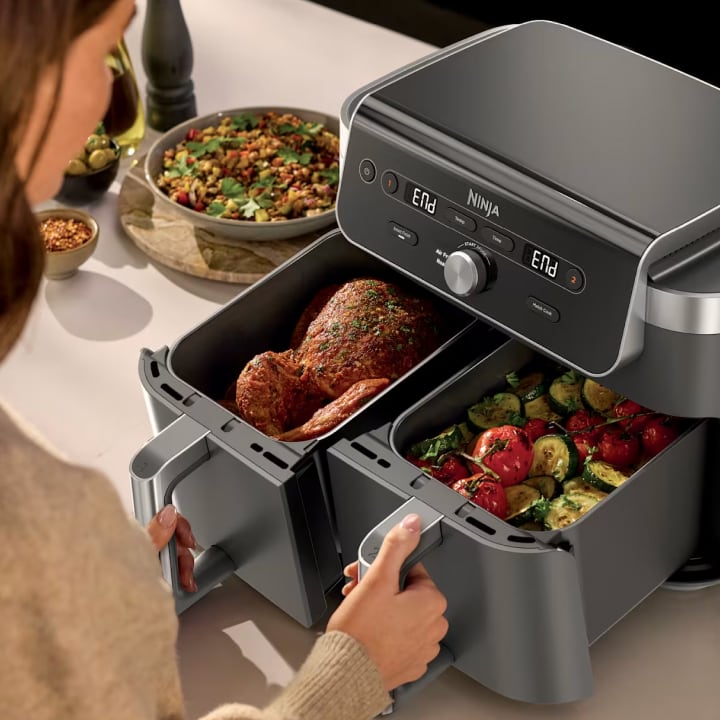
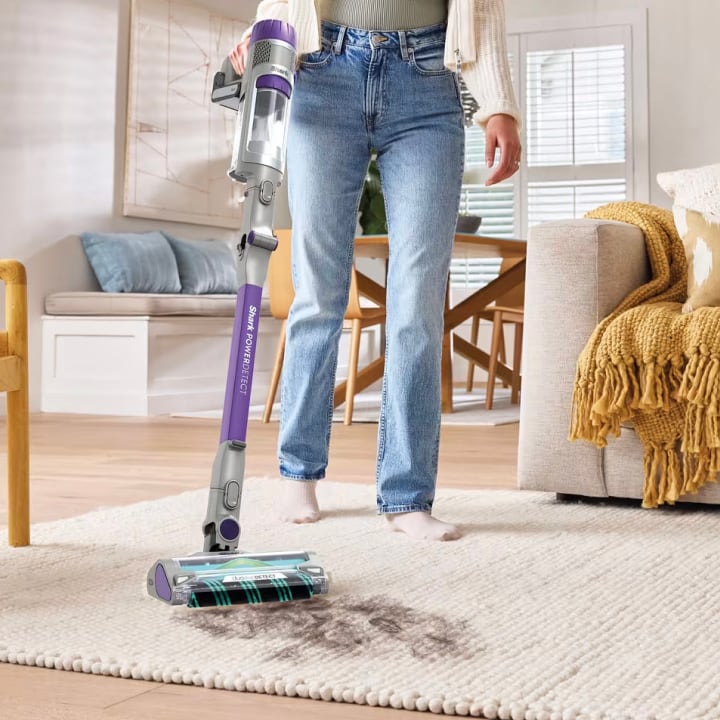
To mark the milestone of moving in together, we asked Americans which household products would be most helpful when moving in with a partner. Respondents highlighted a mix of kitchen and cleaning essentials, including air fryers (22%), coffee makers (22%), vacuum cleaners (21%), and steam mops (5%). These everyday kitchen appliances and home cleaning appliances make practical housewarming gifts and can help couples create shared routines that feel easier from day one.
SharkNinja surveyed 2,000 US residents aged 18+ in May 2026 to uncover the truth behind relationships, cohabiting, move-in habits, household responsibilities, and the products couples find most helpful when moving in together.


